
Introducing the Capstone Project
In Michaelmas 2025, participants of Oxford Climate Society’s School of Climate Change (SoCC) were set the challenge of completing a Capstone Project. The Project aimed to test the application of the students’ knowledge and skills gained throughout the 8-week course. Each capstone group, of 4-6 participants, was tasked with communicating a creative solution in response to one of three fictional climate change-related scenarios.
Why a fictional scenario?
We wanted the participating groups to think creatively about their solutions to the challenge. By emphasising creativity, we hoped the participants would use the opportunity to: reflect on their own personal experiences relating to the project, brainstorm unique and ambitious solutions, and enjoy building their final product. We received an amazing variety of responses to the challenge scenarios, all backed up with real-world case studies to give grounding to their solutions.
Setting the Scene
There were three fictional scenarios which participants were presented with:
-
A new government has been elected in a fictional Arctic nation, near Norway. Recently, oil reserves within indigenous-held land were discovered, and leaders of this new government are pushing for the exploitation of the resource for financial gain. However, the projected CO2 emissions associated with these oil reserves will exceed the Paris Agreement of limiting global warming to 1.5°C.
-
Another fictional country, this time in South America, has an authoritarian-leaning government. Recently, an act outlawing the public discussion of climate change was passed. As such, climate disinformation is spreading throughout the nation, and journalists and scientists sharing insights about the climate crisis are finding themselves at increased risk of prosecution.
-
The third and final scenario involves a fictional island nation, Sundha, in Southeast Asia. Sundha is experiencing rapid sea level rise, and a third of the island could be underwater within a generation. Although a large fund has been created at COP30 for climate crisis-related destruction in urban areas, the city is sinking and large parts of Sunha’s capital city will require relocation. Locals fear a loss of culture and communities, but hope the city will be rebuilt with increased resilience in mind.
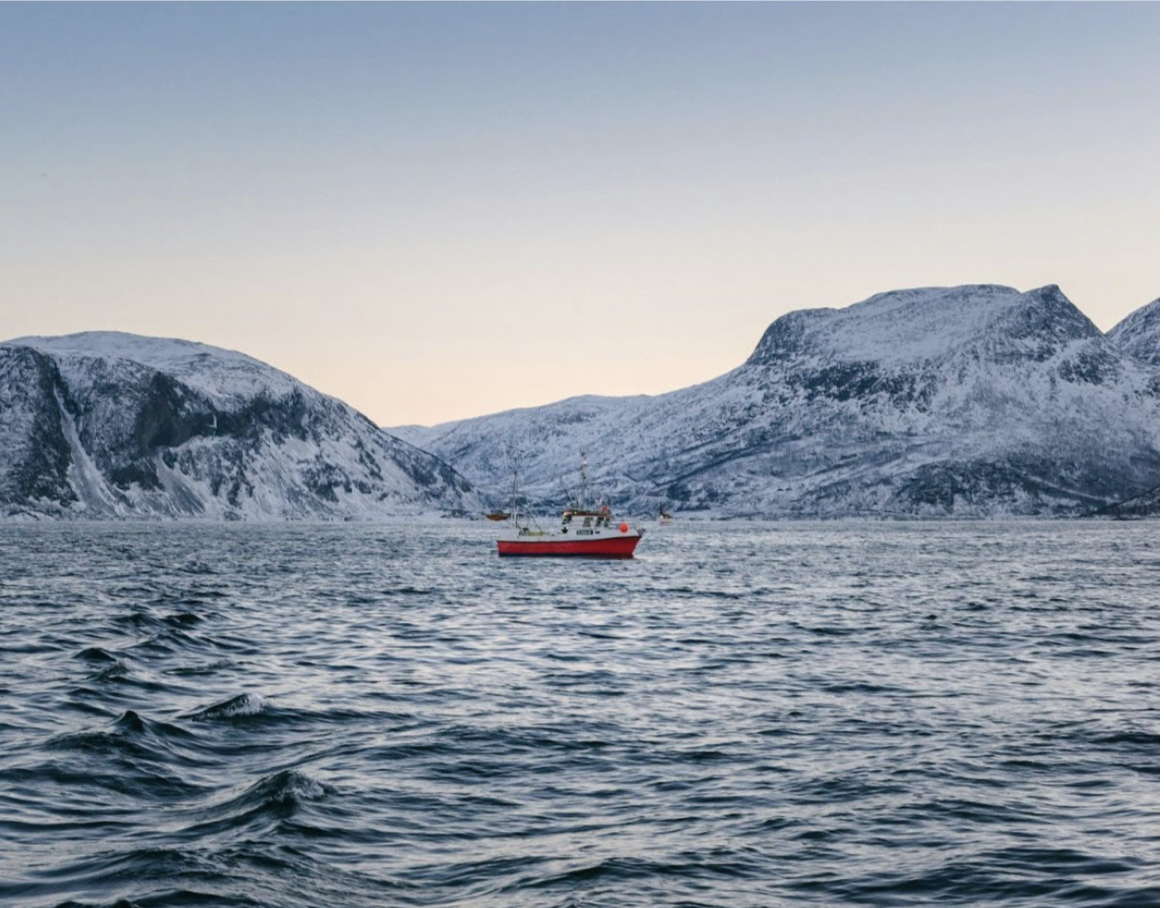
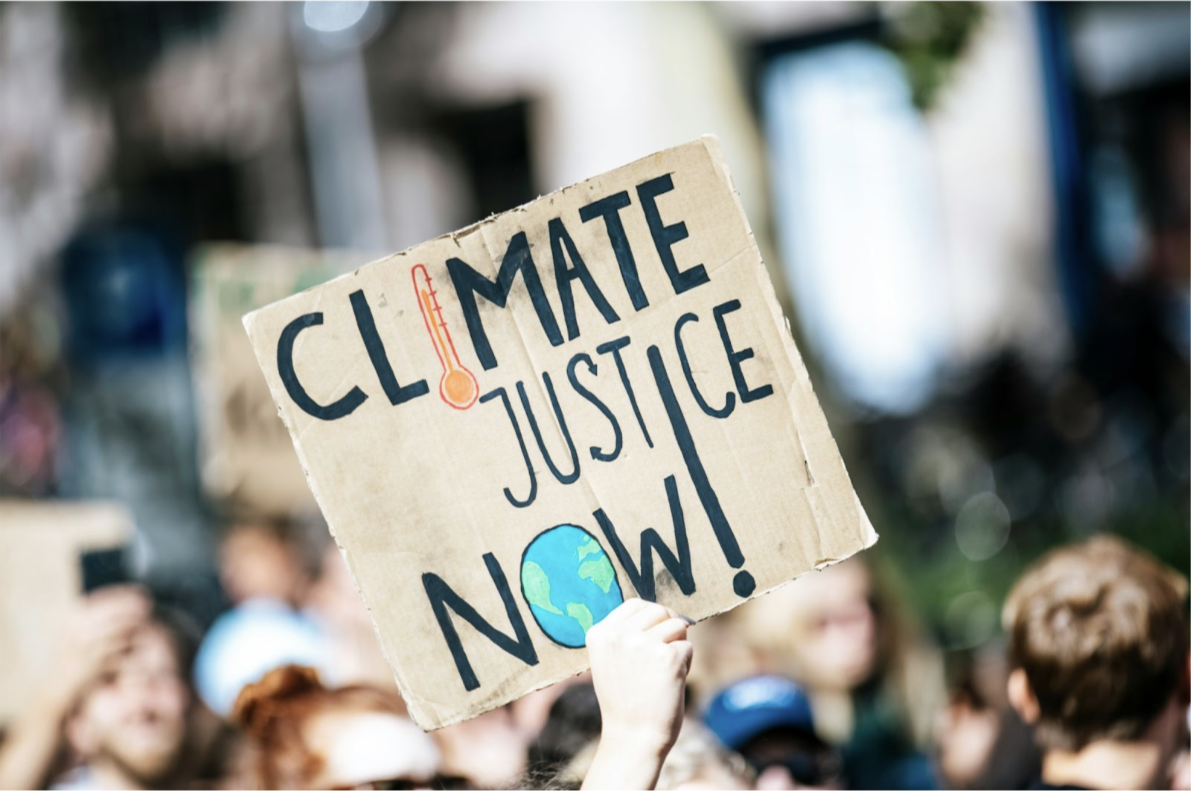
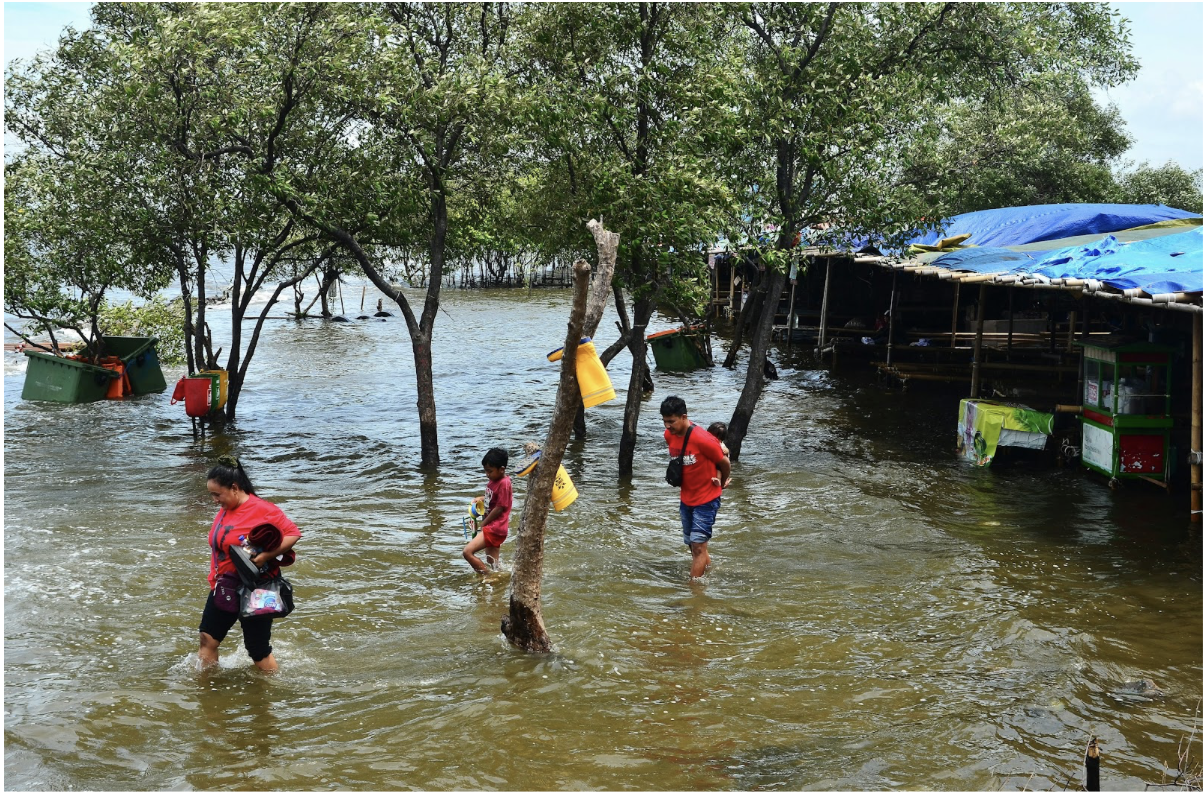
Image 1: Photo by Marcelo Quinan on Unsplash, Image 2: Photo by Markus Spiske on Unsplash, Image 3: Photo by Iqro Rinaldi on UnsplashThe submitted projects were reviewed by our expert panel, consisting of Oxford Climate Society representatives. The projects were judged based on:
1. effectiveness of communication
2. understanding of the topic
3. creativity and uniqueness of approach
4. clarity of visual layout.
The panel were extremely impressed with the quality of the projects submitted. They were excited to see a variety of approaches and formats chosen, including posters, articles and open letters.
And the Winners are…
These three groups went above and beyond with their Capstone Projects, and gave presentations to the rest of the SoCC cohort in week 8 to share their hard work with their classmates:
Group #1 for Scenario #1
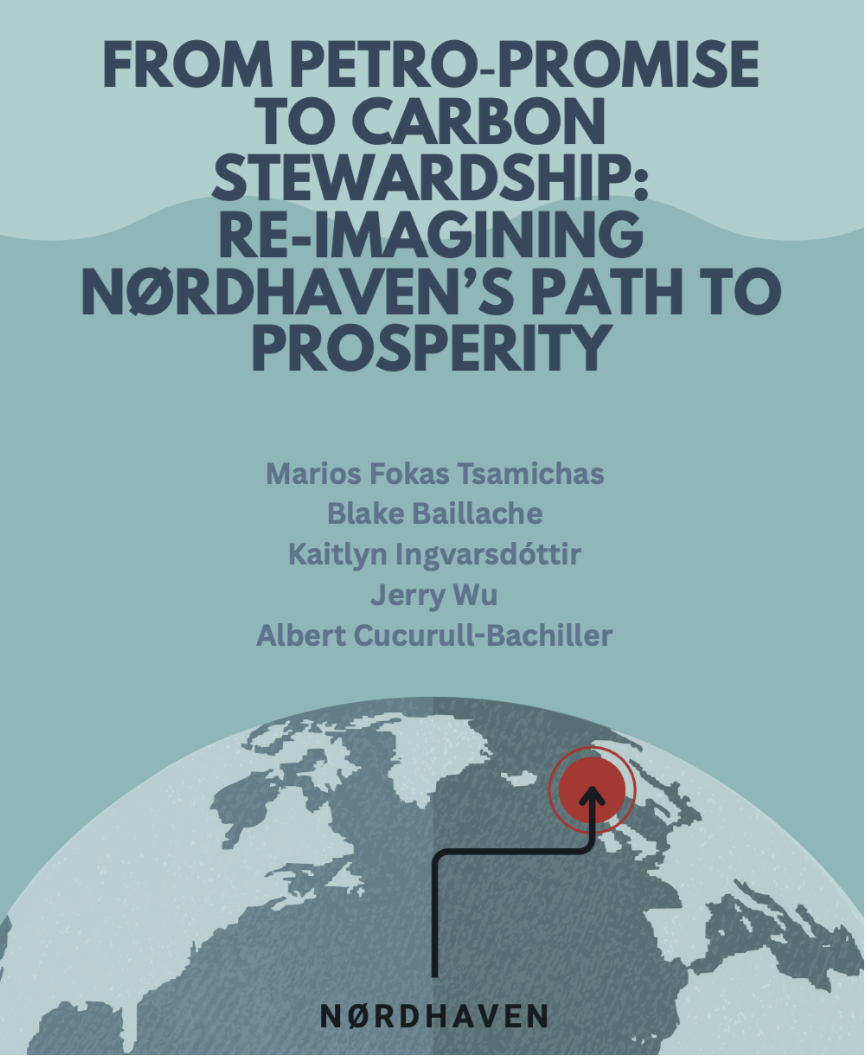
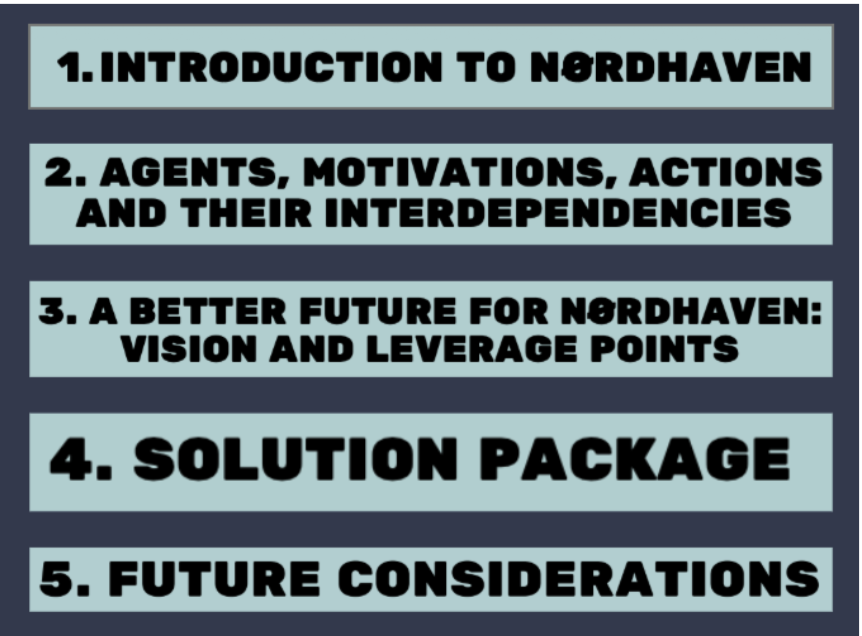
Comments from the panel of judges state that Group #1 had an “excellent systems map and recognition of both direct and indirect stakeholder” and “considered multiple levels of action, local, national and internal”. Congratulations Group #1!
Group #6 for Scenario #3
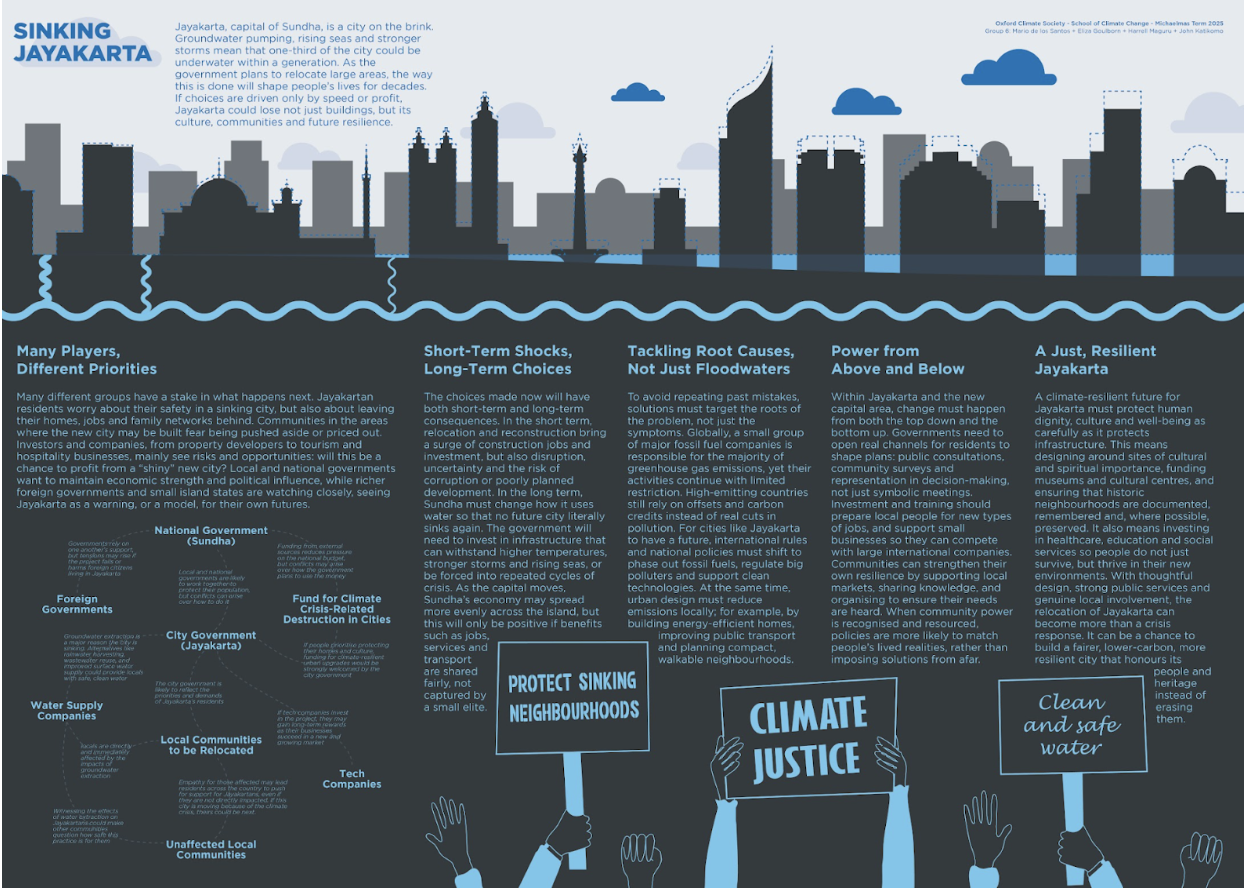
The panel of judges complimented Group #6 on their recognition that “both top-down and bottom-up change is needed” and their ability to “link human culture, wellbeing and infrastructure for a climate-resilient future!” Congratulations Group #6!
Group #10 for Scenario #3
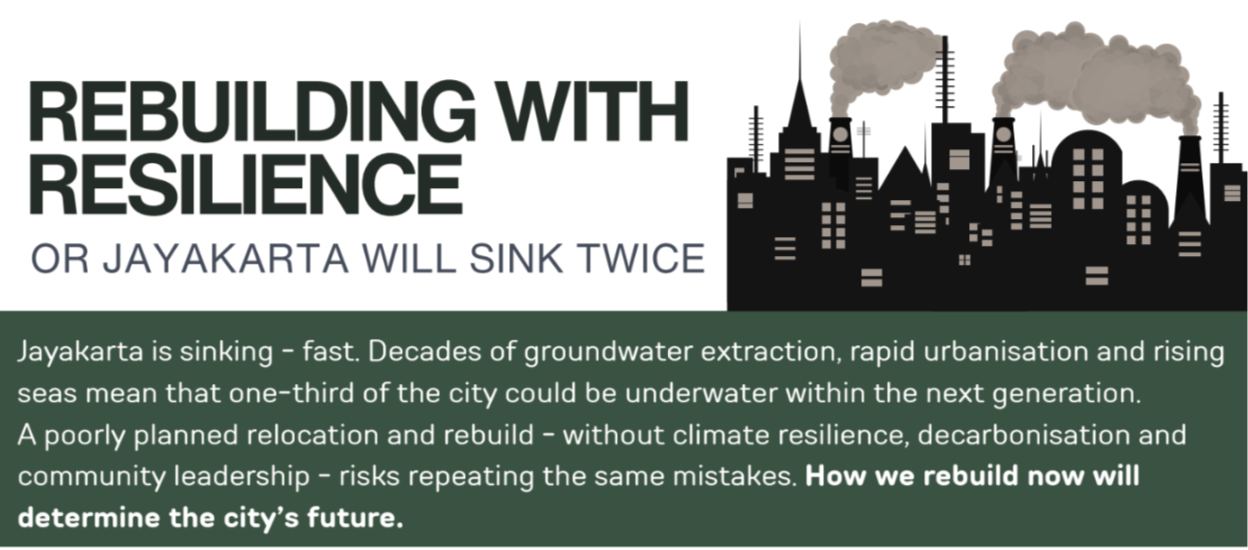
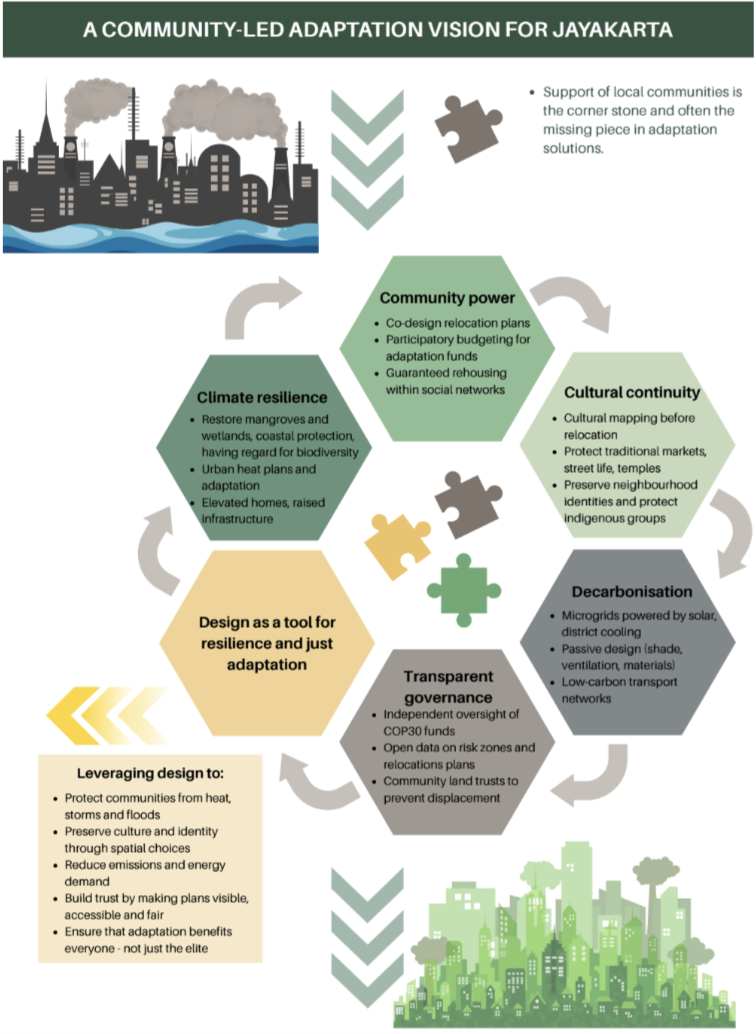
Group #10 received some excellent feedback, with the judge’s panel commenting that they “laid out a clear vision centre on a local community who is often ignored in adaptation solutions” and promoted adaptation that recognized the “interlinkage of climate resilience, decarbonization and transparent governance”. Congratulations Group #10!
Group #3 for Scenario #3 and Group #11 for Scenario #2 were also highly commended. Both teams approached the scenarios with innovative solutions in order to create a resilient future! Congratulations!
Thank you to everyone who participated in the School of Climate Change Course in the Fall of 2025! The Oxford Climate Society team are looking forward to the Capstone Projects produced by the upcoming cohort in the hybrid School of Climate Change.
Written by Phoebe Smith, Edited by Eleanor Hamilton-Clark